Walk into any hectic café on a Saturday morning, or a complete supermarket on a public vacation, and you will certainly see the same pattern: crowded rooms, warm devices, spills on the floor, emphasized team moving swiftly, and consumers of every age and health and wellness status. Many days, nothing severe takes place. On the rare days when something does, the initial 3 mins matter more than virtually anything else.
That is where focused, express first aid and CPR training earns its maintain. In hospitality and retail, you rarely obtain the luxury of half your team going away for 2 complete days of training. You additionally do not obtain a second opportunity with a heart attack, a choking child, or a serious allergy. The training requires to be fast, relevant, and strong sufficient that people remember what to do when the pressure is on.
I have actually spent years helping customer-facing services turn out first aid and CPR courses while handling lineups, spending plans, and compliance policies. The groups that get it right do not merely tick a box for a first aid certificate. They construct a sensible safeguard into the way they work.
Why friendliness and retail demand targeted first aid training
Manufacturing and construction often tend to get the majority of the security interest, but hospitality and retail environments have their own distinct dangers. They involve constant public gain access to, high foot website traffic, and a shocking mix of hazards: wet floorings, hot oil, sharp blades, glassware, allergies to food, and customers who might have pre-existing medical issues.
The common pattern in these fields is also distinct. You count greatly on laid-back, part time, and shift employees. Turnover is more than in lots of office-based functions. Supervisors manage staffing spaces, seasonal optimals, and minimal training budget plans. That makes long, generic first aid courses difficult to justify, even though the danger account is significant.
I have seen tiny coffee shops where only the proprietor had any type of first aid training, and they were usually the one working the coffee device, the register, and the kitchen area simultaneously. A child choking in a cubicle or a customer breaking down at the bar does not wait until the educated individual is on change. Express first aid training, delivered in other words, targeted sessions, is just how you link that gap without blowing a hole in your roster.
What "express" and "fast" in fact mean
The phrases express first aid course, fast first aid training, or fast CPR correspondence course obtain used loosely in advertising. Underneath the labels, there are a few various models.
Some carriers compress a basic first aid and CPR course right into a much shorter, extensive classroom block by changing concept parts online. Others style express first aid courses that trim non-essential material and focus on the emergency situations your team are genuinely likely to deal with. A 3rd model is modular: short, stand alone CPR courses, hemorrhaging control modules, or express childcare first aid sessions that you can pile over time.
The high quality difference normally boils down to three questions.
First, just how much pre-learning is called for? Quality express first aid training usually consists of self-paced on-line material, short video clips, or quizzes completed prior to the in person session. That allows the classroom time focus on method and scenarios.
Second, does the fast first aid course still meet governing requirements? Numerous areas have clear needs for certified first aid and CPR courses. A great express first aid course or express cpr course appreciates those criteria rather than bypassing them. You still desire a valid, identified first aid certificate at the end.
Third, is the fast layout practical for your staff? I have actually seen places schedule an express first aid training block that presumed every person had quiet mornings. In reality, their breakfast thrill went from 7 to 11, so individuals got here late, distracted, and missed out on essential web content. A fast first aid course only functions if it is really accessible.
Core skills every hospitality and retail employee must have
There are distinctions between a high-end dining establishment, a fast food outlet, a drug store, and a large box retail store. Still, in practice, the emergency situations that come up repeatedly once again look very similar. The best first aid courses focus on those first.
An express cpr course or integrated first aid and cpr course for cutting edge personnel ought to construct actual self-confidence in a couple of core locations. They need to identify and react to less competent patients, including basic CPR and use of an AED. They should know exactly how to manage choking in adults and children, consisting of when to call a rescue and when to maintain trying stomach drives. Bleeding control, consisting of the use of stress, plasters, and improvised dressings from day-to-day items, is very important in kitchens and anywhere glass is used. Burns and scalds prevail in food service, so rapid air conditioning strategies, what not to apply, and when to rise for clinical help needs to be acquired behavior. Ultimately, recognition of allergies and anaphylaxis, especially where food is offered, is essential, in addition to exactly how to help with an auto-adrenaline injector if your territory enables it.
If your service has a significant number of families or childcare clients, an express child care first aid course includes layers that basic first aid might skim. Baby choking, childhood years fevers, and identifying breathing distress in young kids are all worth specific practice.
These abilities are teachable in fast first aid courses as long as the instructor maintains the material tight, practical, and scenario-based. Team do not require a clinical lecture. They do need to know what to try to find, what to do in the first two to five minutes, and when to go back for paramedics.

Turning theory into "muscle memory"
Many people have a first aid certificate, yet freeze when a case actually happens. In hospitality and retail, that freeze can be enhanced by worry of doing the incorrect thing before clients, or stress over lawful liability.
The remedy is to develop practice and repeating right into your express first aid and cpr courses. Compressions on a training mannequin, placing a person in the healing setting, or exercising exactly how to guide an associate to call emergency services are not simply great bonus. They are the bridge between recognizing and doing.
One coffee shop chain I collaborated with utilized a straightforward method rhythm. Every 3 months, store supervisors spent 15 mins at the start of the least hectic change running a micro drill. One situation can be "client collapses near the entrance". Team took turns playing the broken down person, the very first aider, and the individual that got rid of the location and asked for an ambulance. They had all finished a fast first aid course near me through a signed up supplier, but it was that duplicated low-stakes method that meant they moved practically automatically when a real event occurred.
If you are picking between a more affordable, completely on the internet fap first aid course and a somewhat longer combined layout with hands-on CPR training, consider this compromise carefully. For frontline team, also a brief ruptured of physical technique deserves more than hours of reading.
Tailoring situations to friendliness and retail realities
The material of an express first aid or express cpr training course has to really feel recognisable to your team. If every scenario is about workplace paper cuts or ladder drops, friendliness team will emotionally tune out.
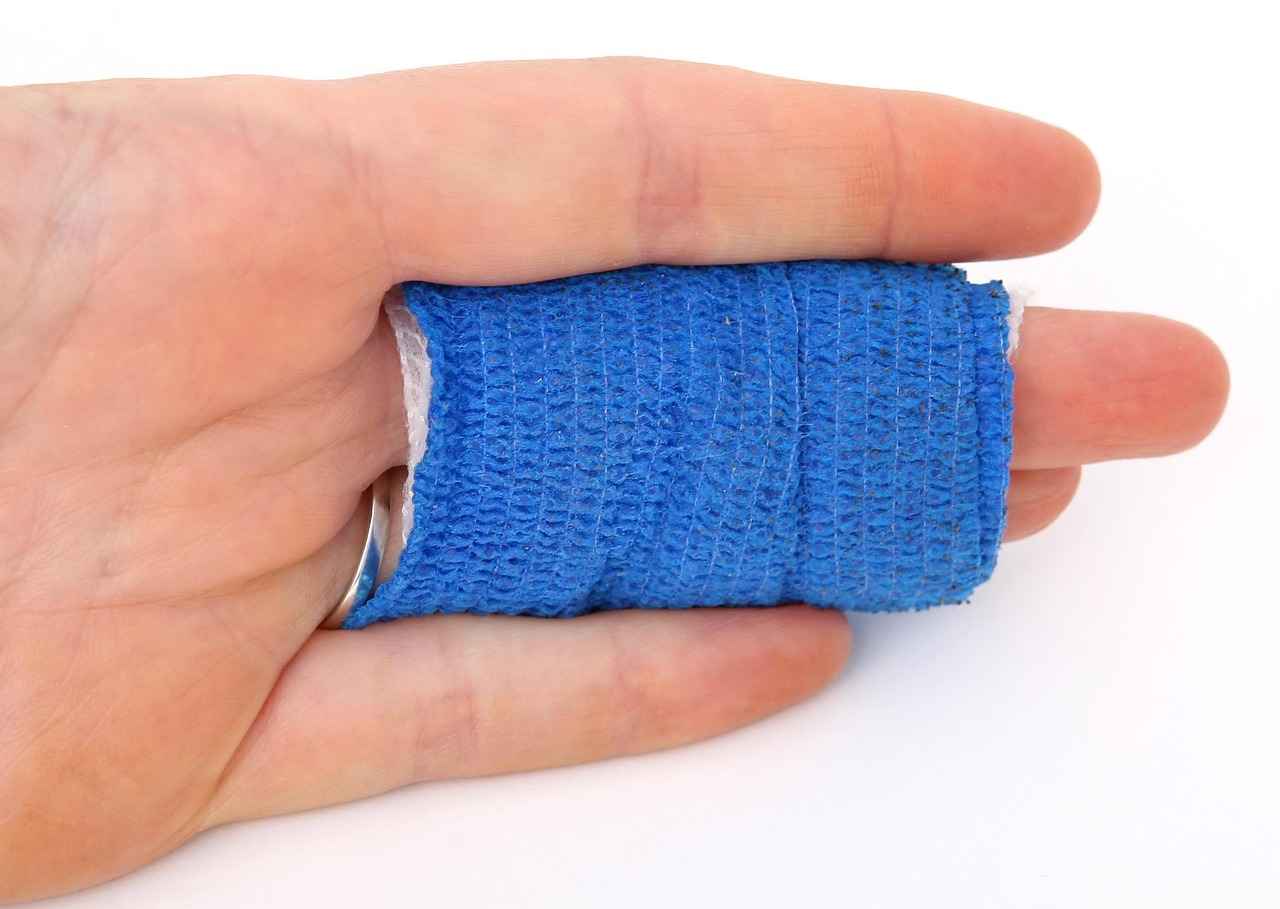
For an active restaurant or bar, appropriate scenarios consist of a chef slicing a hand while service is underway, a customer falling down in the washroom, somebody choking on food at a table, or a personnel obtaining a steam shed from an espresso equipment. For retail employees, consider a customer fainting in a queue, a youngster slipping on a wet flooring, a glass container breaking with cuts from sharp shards, or an older customer with upper body discomfort in an automobile park.
In an excellent first aid and cpr course, these scenarios are not merely told as stories. Team go through the steps: who talks to the distressed client, that gets rid of the curious sightseers, where the first aid package and AED live, who orders them, and who remains on the phone with emergency situation services.
When I check out locations after an incident, the very same small things show up over and over. No one knew where the first aid kit was. The AED was locked in a back office. The only employee with first aid training got on a break. A little planning with your express first aid training carrier can avoid these simple but costly failures.
Legal commitments and insurance policy angles
Regulations vary by nation and sometimes also by state or district. That claimed, several patterns are rather constant. Employers have an obligation to offer a secure work environment. For customer-facing businesses, that consists of having an adequate system to website reply to foreseeable clinical emergencies. Health and wellness authorities, insurance companies, and sector bodies usually release assistance regarding minimal varieties of qualified very first aiders per shift, and suggested proportions based upon staff numbers and risk profiles.
If you are running lodging, licensed venues, or huge retail floors, your insurance firm might currently require that a particular percent of team total recognized first aid and cpr training classes. Fast certification paths, such as express first aid courses with combined learning, can make conference those demands extra realistic.
I have additionally seen venues reduce public responsibility costs after updating to organized first aid training and recording their program. Insurance providers comprehend that well qualified team can reduce the severity of cases, reduce healing times, and show that business took reasonable steps to handle risk.

The legal fears about first aid are commonly overstated. In numerous territories, "good Samaritan" securities cover individuals that act in good faith to help within the range of their training. If anything, trained personnel that fall short to act may encounter more difficult concerns later. Clear policies, signed training documents, and visible first aid tools can supply reassurance to personnel and managers alike.
Designing express training that fits shift-based work
One of the trickiest parts of applying express first aid training in hospitality and retail is not the content itself, however the logistics. These industries run on lineups, informal personnel, and peaks around weekend breaks, evenings, or holidays. An otherwise exceptional first aid course can fall flat if nobody can attend without interfering with trade.
From experience, a few patterns work dependably well.
Morning sessions that begin after the breakfast rush and end prior to lunch can fit cafes and casual dining. Late early morning or mid-afternoon blocks can help big retail where very early evening is busiest. Split sessions, where concept is completed online and the sensible part is performed in two shorter in-person blocks, allow personnel to fit training around college pick-ups or public transportation. Onsite express first aid training, held in a back room or silent location, minimizes travel time and makes it more probable individuals appear on time.
If your company encounters several places, staggered express first aid courses spread over a couple of weeks often beat one large "training day". Go for insurance coverage to ensure that every change contends least one person with an existing first aid and cpr certificate, and for hectic periods, ideally two.
For existing personnel with a running out certificate, fast cpr correspondence course are particularly reliable. They may just need a brief, competency-based upgrade instead of a full first aid course each time. This maintains skills sharp without melting entire days.
Express child care first aid in combined environments
Many hospitality and retail places offer families: shopping centres with play areas, family-friendly dining establishments, movie theaters, and mixed-use places with childcare facilities nearby. In those environments, a standard first aid course may not be enough.
Express child care first aid training focuses on infants and kids. It deals with choking in infants, distinctions in CPR between age groups, febrile seizures, and taking care of troubled moms and dads. Express childcare first aid courses typically press these subjects into a half-day or perhaps shorter format, once more relying upon pre-learning to cover theory.
If your venue uses high chairs, kids menus, play corners, or occasions like children' events, consider guaranteeing that a minimum of a couple of staff per change have actually completed an express child care first aid course, not just general first aid. It sends out a strong signal of like households and can be stated in your advertising and marketing without really feeling opportunistic.
Choosing a supplier for express first aid and cpr training
Plenty of organisations promote fast first aid courses and express cpr training. The high quality distinction can be considerable, and the least expensive choice is not always the very best value.
Here is a concise checklist I have utilized with place managers when they evaluate first aid course service providers:
Accreditation and recognition: Are their first aid and cpr courses acknowledged by relevant authorities and market bodies, and do they issue a legitimate first aid certificate approved by your insurance firm and regulator? Sector experience: Can they demonstrate experience creating express first aid courses specifically for hospitality and retail, with appropriate circumstances instead of common workplace examples? Flexible shipment: Do they provide combined or express first aid training models that can align with your lineup, consisting of onsite training and choices for fast cpr correspondence course delivery? Trainer high quality: Are the instructors experienced practitioners that can respond to real-world questions, not simply check out off slides? Support materials: Do they offer post-course resources, quick-reference posters, or digital refreshers to maintain expertise alive between recertification dates?If you type something like "fast first aid course near me" right into an internet search engine, you will most likely find a mix of local and nationwide companies. Make use of the above factors as screening requirements, and do not think twice to request for recommendations from similar businesses.
Integrating first aid right into day-to-day operations
Training provides individuals the skill. Processes and society determine whether they utilize it when required. The best https://finndgkz220.iamarrows.com/from-zero-to-certified-fast-first-aid-cpr-training-explained hospitality and retail operations weave first aid thinking right into daily routines.
That starts with physical layout. Ensure first aid sets and AEDs are easy to reach, plainly authorized, and inspected on a regular basis. Record which staff have current first aid and cpr certificates, and show that list quietly where managers can see it. Develop a simple expectation into change handovers that at least one educated person is on-site in all times.
When small incidents take place, also if they did not require an ambulance, take a number of mins after points clear up to debrief. What went smoothly? What could have been better? Did team bear in mind where the set was? Was emergency situation contact information very easy to discover? These discussions keep first aid awareness alive without official training sessions.
One large retailer I worked with included a quick security and first aid emphasis in monthly team conferences. Each month, a different shop leader shared a short story: a near miss, a good save, or a tip about something easy such as hydration in extreme heat. Layered in addition to formal express first aid training, this consistent low-level attention made the setting visibly calmer when an actual emergency situation occurred.
Measuring the influence of express first aid programs
Senior managers and owners frequently ask whether investing in express first aid courses, fast cpr training, and continuous refresher courses truly settles. The short solution is of course, however the benefits turn up in greater than just one metric.
There is the apparent human advantage: better end results in significant occurrences, less issues from small injuries, and an authentic feeling of safety for staff and consumers. These are tough to evaluate but very easy to worth when you have actually seen the alternative.
There are financial and operational advantages as well. Effective first aid can decrease pause job after injuries, reduced payment claims, and shorten examinations. Insurance providers look more positively on venues that keep solid safety and security systems. Consumer count on enhances when they see team take care of a frightening minute with composure.
From a brand name viewpoint, people keep in mind how a venue reacted when someone collapsed or a child was hurt. A calmness, experienced response constructs loyalty. A disorderly, confused one might go viral for the wrong reasons.
Making the most of express formats
Fast first aid, express https://gregorybcol959.image-perth.org/fast-certification-in-first-aid-and-cpr-myths-vs-facts cpr courses, and mixed knowing choices exist for a factor. Friendliness and retail groups rarely have long stretches of downtime. Used well, express styles regard that reality without thinning down necessary skills.
The key is to treat them not as a one-off occasion, however as part of a recurring security program. Combine accredited express first aid courses with short, regular refreshers at group meetings. Use real occurrences and near misses as discovering moments. Maintain your first aid tools noticeable and practical. Track who is trained, when their certifications run out, and just how each location is covered on each shift.
When that is done well, a three-hour express first aid and cpr course can punch well above its weight. You end up with personnel who not just hold a first aid certificate, however can in fact use it calmly when somebody gets on the floor, clients are watching, and seconds matter.
That difference is what transforms a fast first aid course from a tick-box exercise into a real safety and security asset for your friendliness or retail business.